
How to Manage Panic Attacks in Daily Life
What Is Actually Happening During a Panic Attack
A panic attack is your body's emergency alarm going off when there is no emergency. Your nervous system releases adrenaline, your heart rate climbs, your breathing becomes shallow and fast, and your muscles tense ready for action. That surge produces the sensations people describe most often: chest tightness, a racing heart, dizziness, tingling in the hands and face, sweating, nausea, a feeling of unreality, and the frightening thought that something terrible is about to happen.
Most panic attacks peak within ten minutes and then begin to settle. The sensations are intensely uncomfortable, but they are not dangerous. Understanding this matters, because it is usually the fear of the symptoms themselves — not the symptoms alone — that keeps the panic going. If you have been diagnosed with a heart or respiratory condition and are unsure whether your symptoms are panic, speak to your GP before assuming.
Grounding Techniques You Can Use Anywhere
Grounding works by giving your brain real, ordinary information from your senses to compete with the alarm signals. The aim is not to fight the panic but to ride it out with something to hold on to.
- 5-4-3-2-1: name five things you can see, four you can hear, three you can touch, two you can smell, and one you can taste. Say them silently or out loud.
- Feet and chair: press both feet firmly into the floor and notice the chair supporting your back. Describe the pressure in plain words: "my heels are on the carpet, the seat is holding my weight".
- Cold: run cold water over your wrists, hold a chilled can, or press something cool against your forehead or the back of your neck.
- Name it: say quietly, "this is a panic attack, it has peaked before and it will pass". Naming it reduces the sense of being overwhelmed.
- Movement: if you can, walk steadily to a quieter spot — a stairwell, a bathroom, the end of a corridor — rather than sitting rigidly and trying to hold still.
Breathing Exercises That Genuinely Calm the Body
Breathing is the fastest route into the calming branch of your nervous system, but only if you breathe in the right direction. The key is a long, slow exhale. Chasing big, deep breaths can make dizziness worse, so keep it gentle and never use a paper bag.
- Extended exhale: breathe in through your nose for a count of four, then out through your mouth for six to eight. Repeat for two minutes. Your out-breath should be longer than your in-breath.
- Box breathing: in for four, hold for four, out for four, hold for four. Useful when you need something structured to focus on, such as before a meeting or a journey.
- Physiological sigh: two short inhales through the nose, then one long, slow exhale through the mouth. Two or three of these can take the edge off quickly.
Practise these when you are calm, not only when panicking. A technique you have rehearsed daily is far easier to reach for in the moment.
Managing Panic at Work, on the Train and in the Shops
Panic often strikes in the places you feel least able to leave. Planning in advance gives you something solid to lean on.
- Know your exit. Identify the nearest quiet space — a bathroom, an unused meeting room, a station concourse bench — before you need it.
- Keep a small kit. Water, headphones, a chewing gum or mint, and a note on your phone reminding you what to do. Cold water and something to chew both signal safety to your body.
- Use a simple script. If you need to step away at work, "I need five minutes, I'll be back shortly" is enough. You do not owe anyone an explanation.
- On public transport, stand near the door if you can, take slow steps along the platform, and remind yourself that you can get off at the next stop.
- If you are driving, indicate, pull over somewhere safe as soon as you reasonably can, and use your breathing and grounding until the wave passes.
Avoidance feels like relief in the short term, but it teaches your brain that these situations are genuinely dangerous. Try to return to them gradually, at a pace you can tolerate.
Helping Each Other: Panic in Relationships
If your partner has panic attacks, "calm down" rarely helps. Ask instead what they need, and agree a plan in advance, so you are not negotiating in the middle of one. Some people want quiet company and a hand to hold; others want space and a glass of water. Some want you to take over a task such as driving or speaking on their behalf; others find that humiliating.
Couples can also fall into patterns around panic — one person avoiding more and more, the other becoming a carer rather than a partner. Naming that pattern kindly, and getting support together, prevents resentment building.
When to Seek Professional Support
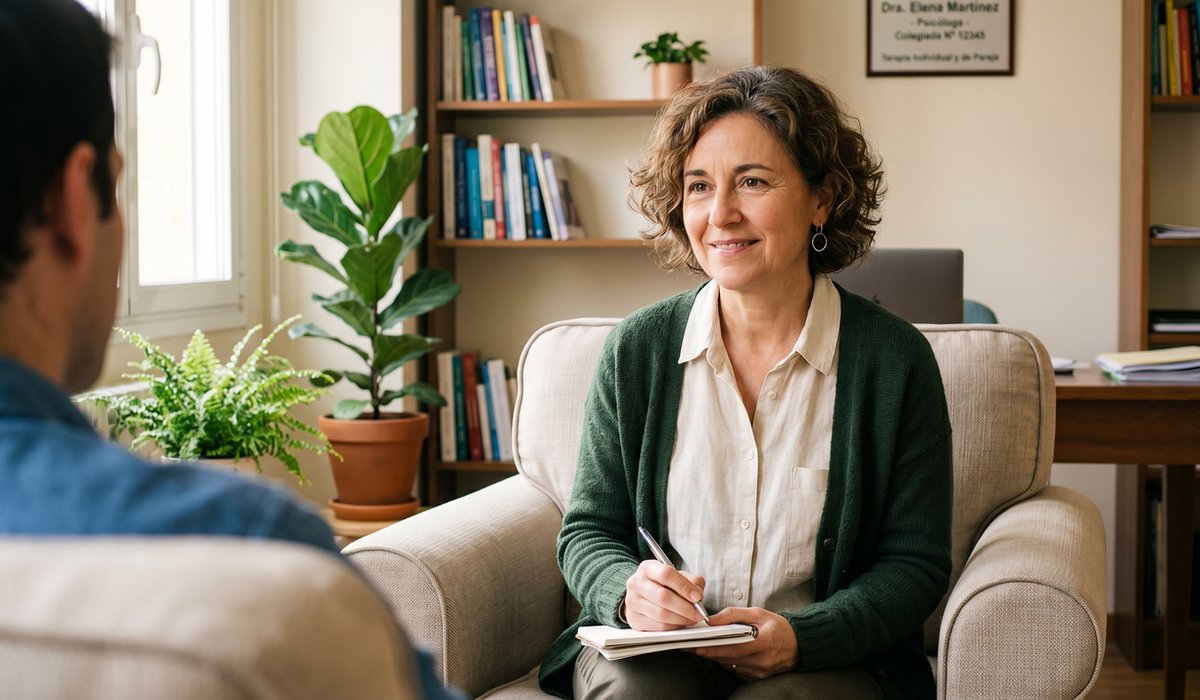
Self-help techniques take you a long way, but consider counselling or psychotherapy if panic is limiting your work, travel, sleep or relationships, if you are avoiding more of life than you would like, or if anxiety sits alongside low mood, a difficult bereavement or a past trauma.
Therapy for panic usually combines practical tools — understanding the fight-or-flight response, tracking triggers, gradual exposure — with space to explore what the panic might be carrying. Many people find that panic lessens once they feel genuinely understood, not simply managed.
Alongside therapy, small daily habits make a real difference: consistent sleep, regular meals, less caffeine, moderating alcohol, and some movement most days. Panic thrives on exhaustion and blood sugar dips. Build these gently, one at a time. Regaining control is rarely one dramatic breakthrough — it is a series of small, practised steps that gradually give you your life back.

4 Comments