
Understanding Generalised Anxiety and Its Physical Symptoms
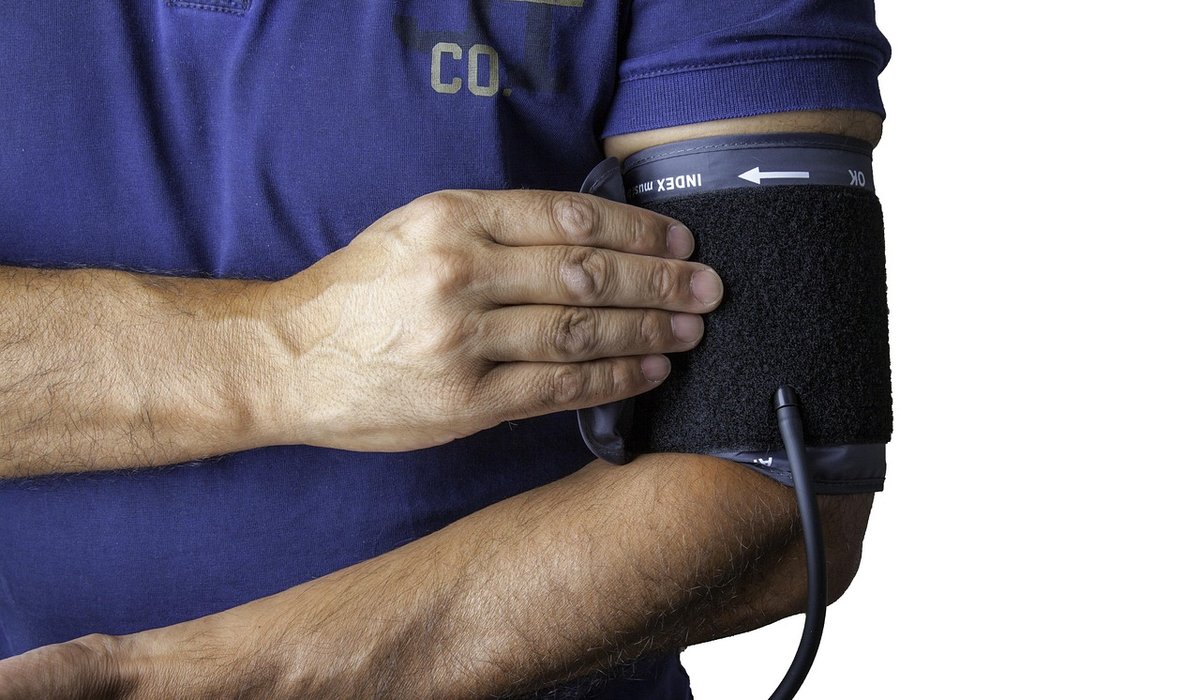
When Anxiety Settles in the Body
Many people picture anxiety as a mental experience — a churning mind, a list of worries, a feeling of dread. In practice, it often announces itself physically first. You might notice your shoulders are up around your ears by mid-afternoon, a headache building behind your eyes, or a jaw so tight you have to consciously unclench it. You may be sleeping eight hours and still feel drained by lunchtime.
Generalised anxiety is different from the ordinary worry of a difficult week. It is persistent, hard to switch off, and tends to attach itself to several areas of life at once — work, health, money, family, the future. When that background hum continues for months, the body starts to keep score.
Why Worry Turns Into Physical Symptoms
Anxiety is a whole-body response. When your brain perceives threat — whether it is a real danger or an anxious thought about a meeting on Thursday — it releases adrenaline and cortisol and prepares you to act. Breathing becomes shallower, the heart speeds up, digestion slows, blood is diverted to the large muscles, and the muscles themselves tense, ready for movement that never comes.
This system is designed to switch on briefly and then settle. With generalised anxiety, it switches on again and again, sometimes dozens of times a day. The result is a nervous system that rarely returns to baseline. The tension you feel in your neck, the knot in your stomach and the fatigue you cannot sleep off are not imaginary, and they are not a sign of weakness. They are the predictable physical cost of a body that has been on standby for too long.
Common Physical Signs to Watch For
Generalised anxiety looks different in different people, but these patterns are common:
- Muscle tension — tight neck, shoulders, back or jaw, often most noticeable on waking or at the end of the working day.
- Tension headaches — a band-like pressure around the head, frequently building through the afternoon.
- Fatigue and unrefreshing sleep — feeling exhausted yet lying awake, or waking at three or four in the morning with a racing mind.
- Digestive changes — nausea, bloating, appetite changes, or irritable bowel-type symptoms that flare during stressful periods.
- Heart and breathing symptoms — palpitations, a tight chest, shortness of breath, or a lump-in-the-throat sensation.
- Restlessness — fidgeting, leg shaking, pacing, or an inability to sit still through a film.
- Heightened sensitivity — being easily startled, or finding noise, light and crowds harder to tolerate than they used to be.
- Teeth grinding and jaw clenching — often spotted first by a dentist rather than by the person themselves.
If several of these feel familiar, it is worth taking them seriously rather than treating each one separately.
The Surrey Context: Busy Lives, Hidden Strain
Living and working in Surrey can make anxiety easy to overlook. Long commutes into London, packed trains, the M25 on a bad day, school runs across Guildford, Woking or Epsom, and the pressure to keep everything running smoothly all leave little space to stop and notice how you actually feel. Many people push on until the physical symptoms become impossible to ignore — a run of migraines, a bout of shingles, a stomach that will not settle.
There can also be a particular hesitation in affluent areas: a sense that you should not complain, that others have it harder, that you ought to be able to manage. Anxiety does not check your postcode or your job title. It affects people across Surrey, and seeking support early is a sensible response, not an admission of failure.
How Anxiety Shows Up in Relationships
Anxiety rarely stays contained within one person. It can show up as irritability over small things, constant reassurance-seeking, withdrawal into your own head, or avoiding social occasions that once felt easy. Partners often describe feeling shut out, or unsure whether the tension in the room is about them. Physical symptoms can be misread too — a partner may interpret exhaustion or lost interest in intimacy as a lack of affection, when anxiety is the real driver.
This is where couples counselling can help. It gives both people language for what is happening, breaks the cycle of blame and withdrawal, and offers practical ways to respond to anxiety as a shared challenge rather than a private one.
Practical Steps and When to Seek Support
There is a lot you can do alongside, or before, formal therapy:
- Track your symptoms for two or three weeks — when the headaches, tension or fatigue appear, and what was happening beforehand.
- Slow the breath deliberately, with a longer out-breath than in-breath, for a few minutes several times a day.
- Move gently and regularly — a walk, swimming, yoga or stretching helps discharge built-up tension.
- Review stimulants — caffeine, alcohol and late-night screens all tend to amplify anxiety and disrupt sleep.
- Protect a consistent sleep and wake time, even at weekends.
- Speak to your GP to rule out other causes of physical symptoms such as thyroid problems or low iron.
Consider psychotherapy or counselling if the symptoms have been present for several months, if they are affecting your sleep, work or relationships, or if you are avoiding things you used to enjoy. Talking therapy — whether cognitive behavioural, person-centred or psychodynamic — helps you understand what maintains the anxiety and learn ways to calm both mind and body. Individual counselling offers space to explore your own patterns; couples counselling addresses the ways anxiety plays out between two people.
You do not need to wait until things fall apart. Noticing the physical signs early is often the first useful step, and help is closer than it may feel.

4 Comments